Offer Ends In
00
:
00
:
00
:
00
Verifying user identities is one of the most crucial elements of the security of any digital platform. One-time passwords (OTPs) deliver a reliable and widely used method for authentication that goes beyond only passwords, which is currently considered unsafe as a single, information based layer of security.
As one of the most common types of OTP authentication methods, we’ll explore in this article what email OTP authentication is, and the key tips and best practices for implementing it effectively.
What Is Email OTP?
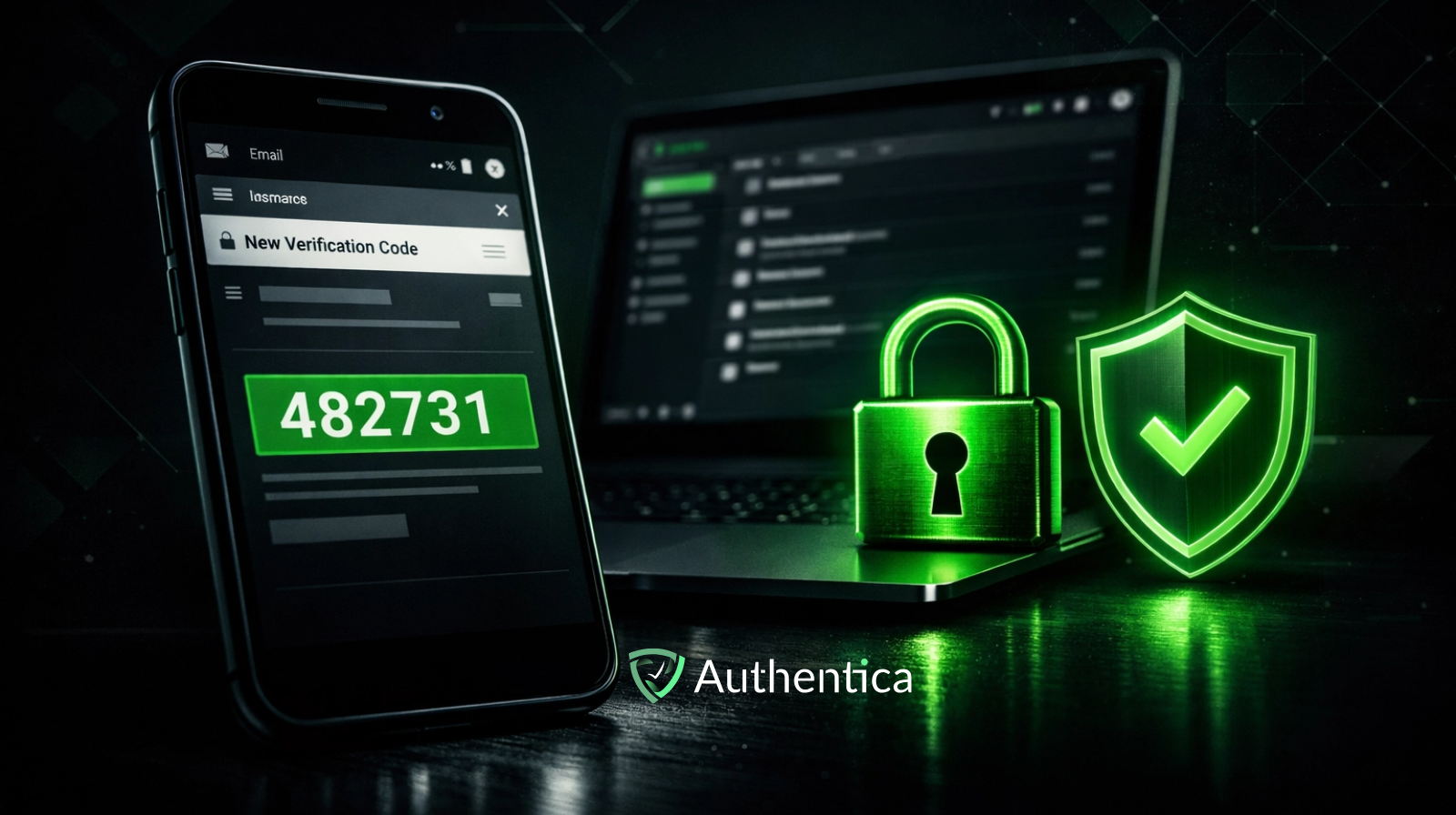
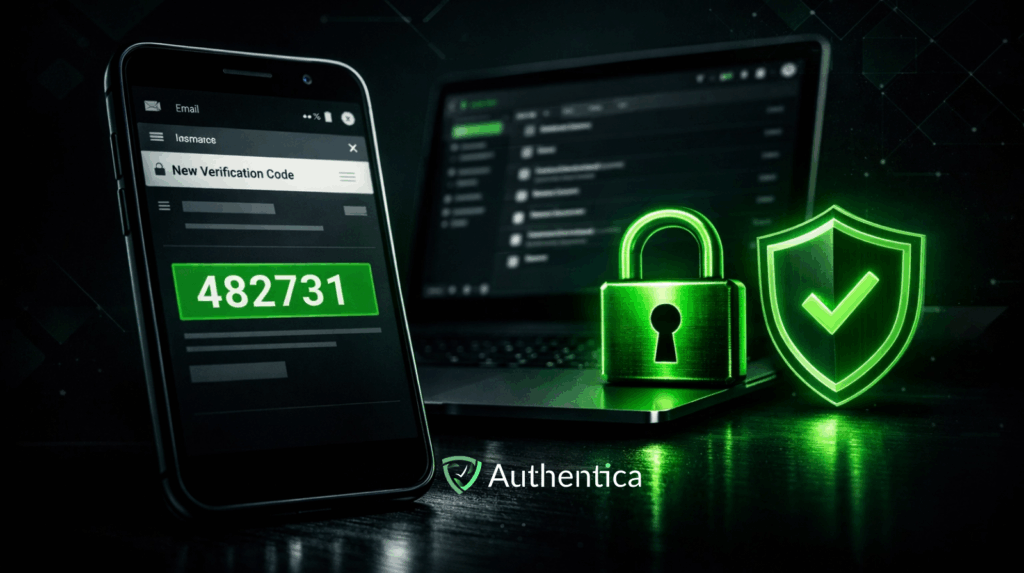
An email OTP (one-time password) is a temporary code sent to a user’s email address to confirm their identity and grant them access to their account or allow a transaction. The code is typically a short sequence of numbers, numeric and sometimes letters, usually needing a short time to enter or it becomes invalid.
Because the code is delivered to the user’s email, it provides an additional layer of security through the main user account.
Email OTP Tips and Best Practices
Successfully implementing email OTP authentication requires more than simply just sending verification codes. Businesses must carefully design the process to balance strong security controls with a seamless user experience.
The following best practices can help organizations build reliable and effective email OTP systems.
At the core of email OTP or any other method of OTP authentication is the generation algorithm. OTP codes should always be generated using secure and unpredictable algorithms, as weak or predictable code generation can create vulnerabilities that attackers may exploit if they can predict them.
Many authentication systems rely on cryptographic methods to generate unique verification codes. These approaches ensure that each code is random, temporary and almost impossible to replicate.
Expiration time plays a major role in the level of email OTP security. If a code remains valid for too long, it increases the chance that it could be intercepted or misused.
Most authentication systems set an expiration window between one and five minutes. This timeframe gives users enough time to retrieve and enter the code while limiting the opportunities attackers have to exploit it.
Allowing unlimited OTP attempts creates opportunities for brute-force attacks, where attackers repeatedly try different code combinations until they succeed.
To prevent this, authentication systems should restrict the number of verification attempts possible within a specific timeframe, after which trials aren't possible or the user account is locked until they contact your customer service.
Ensure Reliable Email Delivery
OTP authentication via email, like other OTP delivery methods, relies heavily on timely delivery. If verification emails are delayed or fail to reach the user’s inbox, the authentication process can become frustrating and ineffective, leading to the user disabling two-factor authentication and making their account more vulnerable.
The best practice here is to use reliable email infrastructure that prioritizes fast delivery and minimizes the probability of the message being added to the user’s spam folder.
Provide Clear and Concise Messaging
Authentication emails should be simple and easy to understand. Users should immediately recognize why they received the code and how to use it. The code itself should be highlighted and easy to copy with no issues.
Including clear instructions, such as where to enter the code and how long it remains valid, helps prevent confusion. At the same time, messages should remind users never to share their verification code with anyone, so that the most basic users know this simple security tip.
Email OTP systems should be monitored regularly to ensure they perform effectively. Important metrics like delivery success rates, verification completion rates, and authentication response times can provide valuable insights into system performance and whether your implementation works or needs enhancements.
Authentica’s developer-friendly API enables OTP verification via email with the maximum level of security to eliminate whatever vulnerabilities that can be eliminated.
With no development effort, and with the easiest possible integration and a pay-as-you-go model to pay only on-demand, you can use OTP without going through the journey from scratch. This also allows you to comply with standards, get to the market faster and reduce initial costs drastically.
The strength of an email OTP system depends heavily on its implementation. Secure code generation, short expiration windows, controlled verification attempts, reliable delivery, continuous monitoring and Authentica offers email OTP authentication all contribute to building a robust authentication process.