
Offer Ends In
00
:
00
:
00
:
00
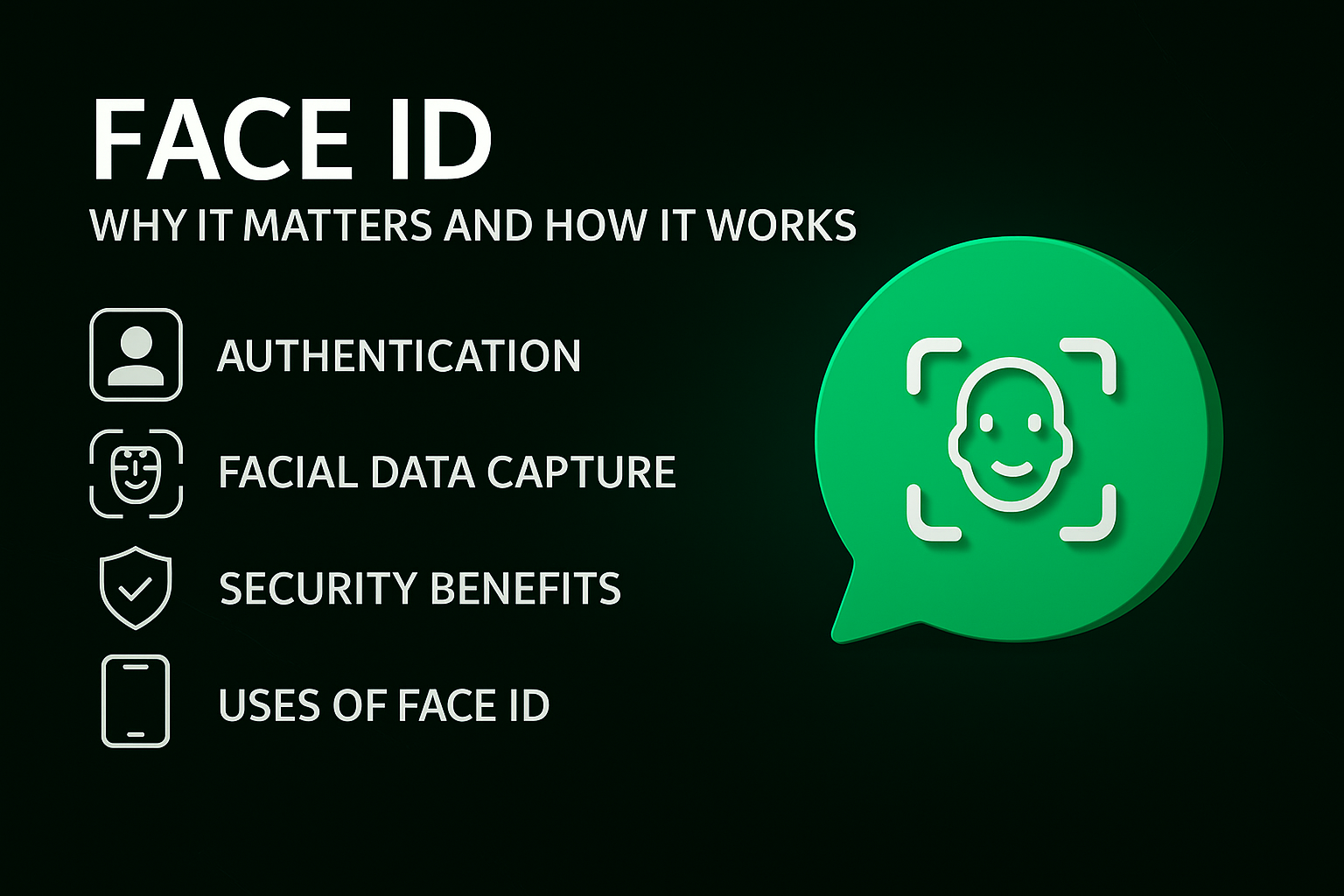
The adoption of Face ID technology is rapidly increasing across businesses in Saudi Arabia. This is due to the enhanced security and accuracy it provides for securing accounts, transactions and devices, as well as its proven prevention of identity theft, making digital services more trustworthy.
Face ID also ensures seamless user experience, with enhanced ability of compliance and risk management, which allow companies to achieve operational efficiency, mitigate risks and cut down costs. If you are considering Face ID for your platform in Saudi Arabia or not sure about its value, we will dive into everything related to it in this blog.
Face ID refers to advanced facial recognition technology that verifies a person's identity using unique biological facial features. The primary objective of Face ID is to confirm that the user is truly who they claim to be, making fraud attempts extremely difficult compared to traditional security methods.
The Face ID process typically involves capturing a live image or short video, analyzing facial landmarks, and creating a secure mathematical template that is compared with the user input every time they log in. This information helps businesses prevent impersonation and in some cases detect suspicious activities instantly.
In Saudi Arabia, facial recognition for identity verification is increasingly becoming required and governed by regulatory authorities such as the Saudi Arabian Monetary Authority (SAMA) and the Capital Market Authority (CMA). This is specifically important for remote onboarding and KYC compliance applications.
Financial institutions, fintech companies, trading platforms, and digital service providers operating in the Kingdom are required to adopt strong identity verification methods like facial recognition or face ID. Face ID has emerged as one of the most reliable solutions to meet both local regulatory requirements in Saudi Arabia and international anti-money laundering (AML) standards.
Prevention of Fraud and Account Theft
By implementing advanced Face ID with liveness detection, businesses can stop fraudsters from using photos, videos, deepfakes or masks to bypass verification in apps and devices. This helps prevent financial crimes such as identity fraud, account theft, and unauthorized transactions in fintech apps.
Enhancing Compliance
Robust facial recognition helps institutions comply with SAMA's KYC regulations and international AML guidelines. This contributes to protecting the financial transactions from being exploited for malicious purposes while meeting regulatory requirements that allow you to scale into new markets.
Protecting Users and Building Trust
Because face ID prevents account takeover, unauthorized transactions and identity theft. This gives customers confidence that their accounts and funds are genuinely secure, which can translate into trust and a stronger brand.
Maintaining Reputation
Companies that adopt high quality Face ID solutions in terms of security and speed demonstrate commitment to security and innovation. This contributes to strengthening their brand in increasingly competitive digital markets.
Live Capture and Liveness Detection
The system uses the device camera to capture a real-time image or video. It immediately checks for signs of life such as skin texture, light reflection, and micro-movements to ensure the person is physically present.
Biometric Analysis and Template Creation
Facial characteristics are measured and converted into an encrypted mathematical model. This template cannot be reversed into a real photo, ensuring privacy and security.
Secure Matching
The new captured image is compared to the stored one in less than a second with extremely high accuracy. This ensures fast verification without compromising security standards.
Anti-Spoofing Protection
Advanced systems block printed photos, screen replays, silicone masks, 3D masks and even deepfake videos. This provides powerful protection even against advanced fraud attempts.
Combating Identity Fraud in Real Time
Face ID with active and passive liveness detection stops fake account creation and unauthorized access before damage occurs. This allows platforms to identify and prevent fraud instantly.
Full Compliance with SAMA and CMA Regulations
For many businesses like banks and other finance businesses, remote customer onboarding using certified facial recognition is now an accepted method for meeting eKYC requirements. This helps businesses adhere to local and international regulations effectively.
Protecting Users and Their Funds
Verified identities mean criminals cannot easily withdraw money, trade illegally or exploit stolen credentials for malicious purposes. Face ID provides an additional layer of security that protects user accounts and funds with confirmation in every transaction.
Building Long-Term Trust
When users know their platform uses cutting-edge Face ID, they feel safer and more likely to engage. This contributes to enhancing customer loyalty and increasing platform sign up and usage.
To complete the Face ID implementation successfully, businesses can utilize readily developed face ID APIs that cut down effort and cost, while delivering a high level of security like Authentica. When choosing the right tool, you need to consider these factors:
All of these qualities are provided by Auithentica. If you need to learn more, you can get in touch with our experts for a free consultation.
Face ID or face recognition plays a vital role in ensuring the security of digital transactions, accounts and devices. In Saudi Arabia, Face ID technology is governed by regulatory authorities, primarily the Saudi Arabian Monetary Authority (SAMA) and the Capital Market Authority (CMA), which means it can be obligatory in many cases.



